Solar Energy: The Bright Future of Clean Power
Hey there! Are you tired of paying exorbitant electricity bills every month? Do you want to do your part in saving the planet? Well, you're in luck because solar energy is the answer to both of those problems. Solar energy is a renewable source of power that is generated by harnessing the sun's energy. By using solar panels, we can convert sunlight into electricity that can be used to power our homes, businesses, and even our cars. The best part? It's clean and sustainable!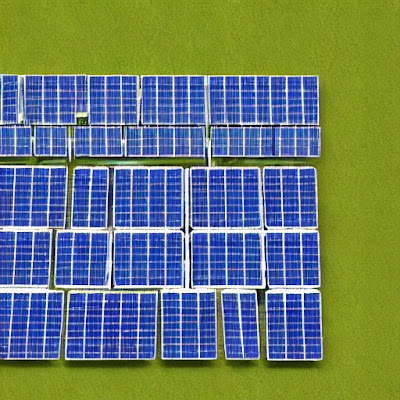

| Country | Cost of Solar Panels (per watt) |
|---|---|
| India | $0.22 - $0.30 |
| United Kingdom | $0.26 - $0.34 |
| United States | $0.19 - $0.32 |
| China | $0.21 - $0.28 |
| Australia | $0.30 - $0.40 |
| Germany | $0.28 - $0.35 |
| Canada | $0.27 - $0.35 |
| France | $0.27 - $0.33 |
| Japan | $0.32 - $0.40 |
| Spain | $0.28 - $0.34 |
If you enjoying our article on "Say Goodbye to High Energy Bills with Solar Energy" you may also be interested in checking out here related articles.
Restore Our Planet for Future Generations: A Guide to Taking Action on Earth Day 2023
You may also be interested in our related article on the Earth Day 2023 "Investing in Our Planet"
India:Ministry of New and Renewable Energy (MNRE) provides a capital subsidy of 30% of the benchmark cost for off-grid and decentralized solar applications.
State governments also provide additional incentives, such as property tax exemptions and electricity bill discounts. click here
United Kingdom:The Feed-in Tariff (FiT) scheme offers payments to homeowners who generate their own electricity from renewable sources, including solar panels.
The Smart Export Guarantee (SEG) pays homeowners for excess energy that they export back to the grid.
The Renewable Heat Incentive (RHI) offers payments for the use of renewable heat sources, including solar thermal panels.
United States:The Federal Investment Tax Credit (ITC) provides a tax credit of 26% of the total cost of a solar panel system.
State governments also offer additional incentives, such as property tax exemptions and sales tax exemptions.
China:The Golden Sun Program provides financial support for the construction of solar power plants.
The government also provides subsidies for solar power generation and the purchase of solar thermal systems.
Australia:The Small-scale Renewable Energy Scheme (SRES) offers incentives for homeowners who install solar panel systems.
The Australian Renewable Energy Agency (ARENA) offers grants for renewable energy projects.
Germany:The German government offers feed-in tariffs for renewable energy sources, including solar panels.
The KfW bank provides low-interest loans and grants for renewable energy projects.
Canada:The federal government offers rebates for homeowners who install solar panels through the Canada Greener Homes Grant.
Provincial governments also offer additional incentives, such as tax credits and rebates.
France:The Energy Transition for Green Growth Act offers incentives for the development of renewable energy projects, including solar panels.
The government also offers tax credits and grants for energy-efficient renovations
Japan:The government offers a feed-in tariff for renewable energy sources, including solar panels.
Local governments also offer additional incentives, such as property tax exemptions and grants
Spain:The government offers a feed-in tariff for renewable energy sources, including solar panels.
Local governments also offer additional incentives, such as property tax exemptions and subsidies
Please note that these incentives and rebates may change over time, and it's always best to check with your local government or a qualified solar installer for the most up-to-date information.

LG is one of the most well-known and respected brands in the solar panel industry. Their panels are known for their high efficiency and durability. LG's NeON series is particularly popular, with modules ranging from 60 to 360 watts.SunPower Solar Panels
SunPower is another top brand in the solar panel market. Their panels are known for their high efficiency and sleek design. SunPower's X series is one of their most popular, with modules ranging from 345 to 470 watts.Panasonic Solar Panels
Panasonic is a trusted brand that has been around for over 100 years. Their HIT series is particularly popular in the solar panel market, with modules ranging from 240 to 330 watts.Canadian Solar Panels
Canadian Solar is a global leader in the solar panel industry. Their panels are known for their high efficiency and affordability. Canadian Solar's HiKu series is one of their most popular, with modules ranging from 380 to 405 watts.Jinko Solar Panels
Jinko Solar is a Chinese company that is known for producing high-quality solar panels. Their modules are known for their efficiency and durability. Jinko Solar's Cheetah series is particularly popular, with modules ranging from 355 to 410 watts.Trina Solar Panels
Trina Solar is another Chinese company that is known for producing high-quality solar panels. Their modules are known for their efficiency and affordability. Trina Solar's Vertex series is one of their most popular, with modules ranging from 405 to 670 watts.Hanwha Q Cells Solar Panels
Hanwha Q Cells is a South Korean company that is known for producing high-quality solar panels. Their modules are known for their efficiency and durability. Hanwha Q Cells' Q.Peak series is particularly popular, with modules ranging from 310 to 375 watts.REC Solar Panels
REC is a Norwegian company that is known for producing high-quality solar panels. Their modules are known for their efficiency and affordability. REC's Alpha series is one of their most popular, with modules ranging from 365 to 380 watts.Yingli Solar Panels
Yingli Solar is a Chinese company that is known for producing high-quality solar panels. Their modules are known for their efficiency and durability. Yingli Solar's Panda series is particularly popular, with modules ranging from 260 to 365 watts.Solaria Solar Panels
Solaria is a California-based company that is known for producing high-quality solar panels. Their modules are known for their efficiency and sleek design. Solaria's PowerXT series is one of their most popular, with modules ranging from 330 to 370 watts.
When it comes to the size of solar panel installations, it really depends on your energy needs and the space you have available. A typical residential installation is between 5 and 10 kilowatts, which typically requires 20 to 40 solar panels. Commercial installations can range from 10 kilowatts to several megawatts, and can require hundreds or even thousands of solar panels.
choosing the right solar panel for your needs can be a daunting task, but with a little research, you can find the perfect fit for your home or business. Remember to consider factors such as efficiency, durability, and affordability
A 3 kW system is generally suitable for a small home with low energy consumption, while a 5 kW system is better for a medium-sized home with average energy needs. An 8 kW system is ideal for larger homes or households with higher energy consumption.
However, the size of the solar installation also depends on factors such as the available roof space, the orientation and tilt of the roof, and the local solar irradiation levels. It's important to consult with a solar installer to determine the best system size for your specific energy needs and location.

But what are the benefits of solar water heaters? For one, they're incredibly efficient. By using the power of the sun, you can heat your water without the need for electricity or gas. This means you'll save money and reduce your carbon footprint. Plus, solar water heaters can last up to 20 years, making them a worthwhile investment.
Another great thing about solar water heaters is that they're low-maintenance. Unlike traditional water heaters, which can require frequent repairs and replacements, solar water heaters are built to last. And because they don't rely on fossil fuels, they're not subject to the same price fluctuations as traditional energy sources.
So, how do you get started with a solar water heater? First, you'll need to find a reputable installer in your area. They'll be able to assess your home's suitability for solar panels and recommend the best system for your needs. And don't worry if you live in a cloudy or overcast area - solar water heaters can still work in less-than-ideal conditions.
In summary, solar water heaters are a great investment for anyone looking to save money and reduce their environmental impact. With low maintenance requirements and long lifespans, they're a practical choice for any homeowner. So why not give them a try? Your wallet (and the planet) will thank you. If you're thinking about going all out with solar energy, then solar system projects are the way to go. These are large-scale solar energy installations that can generate electricity for entire communities or regions. They typically involve the installation of thousands of solar panels, which are connected to the electrical grid. These projects can be owned and operated by utilities, businesses, or even community organizations.
Are you tired of relying on traditional sources of energy that are not only harmful to the environment but also drain your bank account? Well, you're not alone! More and more people are turning to solar energy to power their homes and businesses. And why not? Solar energy is clean, renewable, and can save you a ton of money in the long run.
But if you're new to solar energy, you might be wondering where to start. That's where solar system projects come in! A solar system project is a fun and exciting way to learn about solar energy and how it works. Plus, it's a great way to get hands-on experience with solar panels and other equipment.
Here are some ideas for solar system projects that you can try:
Solar-powered car: Build a small car powered by solar energy. You can use a solar panel to charge a battery, which in turn powers the car's motor. This project is great for kids and adults alike and can be a fun way to spend a weekend afternoon.
Solar-powered water heater: Build a solar-powered water heater for your home. This project can be a bit more involved, but it can save you a lot of money in the long run. Plus, it's a great way to reduce your carbon footprint and help the environment.

Solar-powered garden lights: Build solar-powered garden lights using small solar panels and LED lights. These lights are not only environmentally friendly but also add a touch of charm to your garden.

Solar-powered water fountain: Build a solar-powered water fountain for your garden. This project can be a bit more involved, but the end result is a beautiful and relaxing addition to your outdoor space.
Solar-powered greenhouse: Build a solar-powered greenhouse that can regulate its temperature using solar energy. This project is perfect for those who love to garden but want to extend their growing season.
In conclusion, solar system projects are a great way to learn about solar energy and its many benefits. They're also a fun and educational way to spend your free time. So why not give one of these projects a try and see what you can create?

One common misconception is that solar panels only work in sunny, warm climates. While it's true that solar panels work best in direct sunlight, they can still generate power on cloudy days or in cooler climates. In fact, Germany, which is not known for its sunny weather, is a global leader in solar energy production.
Another concern people often have is the maintenance of solar panels. The good news is that solar panels require very little maintenance. They are designed to withstand harsh weather conditions and typically come with a 25-year warranty. The only regular maintenance required is to keep the panels clean from dirt and debris.
 © 2023 LifebalanceHQ
Lastly, some people worry about the aesthetics of solar panels on their homes. But fear not! There are many sleek and modern designs available that can blend in with the architecture of your home.
© 2023 LifebalanceHQ
Lastly, some people worry about the aesthetics of solar panels on their homes. But fear not! There are many sleek and modern designs available that can blend in with the architecture of your home.
So, if you're ready to take the plunge and go solar, the first step is to find a reputable solar energy company in your area. They will be able to assess your home's energy needs and help you design a solar energy system that is right for you.
In conclusion, solar energy is the way of the future. It's clean, sustainable, and accessible to everyone. With advancements in technology and decreasing costs, there's never been a better time to make the switch to solar power. So, what are you waiting for? Let's harness the power of the sun and make a brighter future for ourselves and our planet.







Comments
Post a Comment